How Top Leaders Make High-Stakes Decisions Without Burning Out

Most leadership advice tells you to be “decisive.” They tell you that speed is your greatest asset and that “hesitation is the enemy.”
They’re wrong.
If you are sprinting through your day, firing off answers like a human machine gun and “swooping in” to fix every fire that lands on your desk, you aren’t practicing strategic leadership development. You’re being reactive. There is a massive difference between a leader who moves fast and a leader who is just a high-functioning pinball bouncing off the walls of their own calendar.
When you live in a state of constant reaction, you aren’t leading. You’re in survival mode. And that survival mode is the primary reason why so many talented, high-level leaders are hitting a wall of burnout by mid-morning.
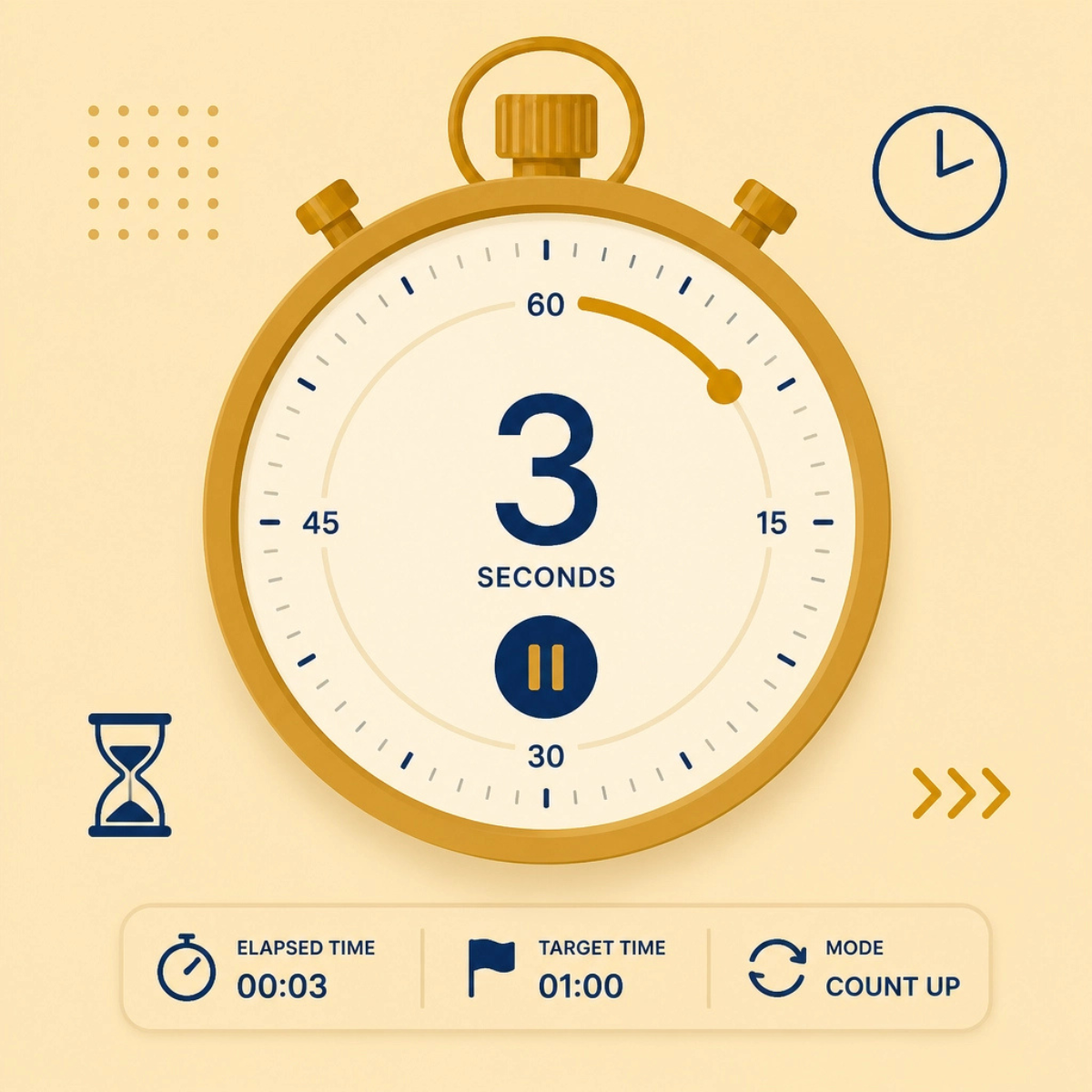
The secret to making high-stakes decisions without losing your mind isn’t moving faster. It’s the 3-second pause.
The Science Behind Strategic Leadership Development
Why is it so hard to stop yourself from jumping into the fray? It’s basic biology. When a crisis hits: a key employee quits, a project misses a deadline, or a client is furious: your amygdala takes the wheel. This is your “reptilian brain,” and its only job is to keep you alive. It sees a missed deadline as a saber-toothed tiger. If you want the science-backed version, Psychology Today has a solid breakdown of the amygdala hijack and why reactive decision making happens so fast.
In that moment, your prefrontal cortex: the part of your brain responsible for strategy, logic, and long-term consequences: goes offline. You “swoop in” because your brain is screaming that you need to do something right now to survive. Strategic leadership development starts when you notice that impulse before it starts running the meeting.
You might think you’re being helpful, but to your team, you just look like a micromanager who doesn’t trust them to do their jobs. You’re trading long-term team growth for a short-term hit of “I fixed it.”

What is the 3-Second Pause in Strategic Leadership Development?
The 3-second pause is a deliberate, tactical gap between the stimulus (the problem) and your response (the action). It is the moment where you force your rational brain back into the driver’s seat. In plain English, it’s one of the simplest strategic leadership development habits you can build if you want better decisions without frying your nervous system.
It sounds simple. It is. But simple doesn’t mean easy.
Accountability is a design problem, not a people problem. If you haven’t designed a process for how you handle pressure, you will default to your most primitive instincts every single time. Decision fatigue is killing your leadership edge, and the pause is the only way to recharge your cognitive battery in real-time.
How to Execute the Pause for Strategic Leadership Development
When the “fire” lands on your desk, don’t open your mouth. Don’t type a Slack message. Don’t send that email. Do this instead:
- Count to three. Literally. One-one-thousand, two-one-thousand, three-one-thousand.
- Ask yourself the Central Question: “What outcome am I actually trying to create here?” (Hint: The outcome is rarely “make me feel better by yelling” or “fix this for them so I can go back to my coffee.”)
- Identify the Shift: Are you about to react or respond?
- Reaction: Driven by ego, fear, or urgency. It’s about the past (what went wrong).
- Response: Driven by strategy, values, and outcomes. It’s about the future (how we move forward).

“Clean Scripts” for High-Stakes Moments
Stop being a “human reminder app” for your team. If they bring you a problem, they should also bring you their thinking. If you find yourself in a high-pressure meeting or a crisis situation, use these scripts to maintain your authority without burning out your mental energy. This is strategic leadership development in real time, not theory on a cute worksheet:
- When you’re being pressured for an immediate answer: “I hear the urgency, and I want to make sure we make the right call, not just the fast one. Let me sit with this for [timeframe] and I’ll get back to you.”
- When a team member brings you a “fire”: “Can you walk me through what you’re seeing that I might have missed?” (This forces them to think and gives you time to process.)
- When you feel yourself getting triggered: “I’m going to take a moment to process what you just said so I can give you a constructive response.”
- When the room is spiraling: “Let’s pause. What is the one most important problem we are trying to solve right now?”
If you want to know more about why your team keeps bringing you problems instead of solutions, it usually starts with how you handle these first three seconds.
Reaction vs. Response: A Binary Comparison
To simplify your decision-making, you need to categorize your behavior. Are you a reactor or a responder?
| Feature | The Reactor (Burnout Path) | The Responder (Strategic Path) |
|---|---|---|
| Primary Goal | Stopping the pain/noise immediately. | Achieving the long-term strategic outcome. |
| Focus | Who messed up? Why is this happening to me? | What is the next best move? |
| Team Impact | Creates a culture of “waiting for orders.” | Creates a culture of ownership and clarity. |
| Mental Cost | High. Constant adrenaline spikes. | Managed. Measured energy expenditure. |
| Result | Short-term fix, long-term plateau. | Sustainable growth and next-level performance. |
Moving From Bottleneck to Strategic Leadership Development
I’ve been there too. I’ve been the leader who thought that being “available” meant answering every ping within 30 seconds. I thought I was being a hero. In reality, I was just a bottleneck. I was preventing my team from growing, and I was burning myself out in the process. A lot of strategic leadership development looks less glamorous than people want it to. It often looks like shutting up for three seconds, thinking clearly, and refusing to make your team pay for your adrenaline.
The 3-second pause isn’t about being slow. It’s about being intentional. It’s about recognizing that as a leader, your value isn’t in how many “fires” you put out: it’s in how many fires you prevent through strategic alignment and clear decision-making.
Are you ready to stop being the “fixer” and start being the strategist?

The shift from reactive management to proactive leadership doesn’t happen overnight, but it does happen three seconds at a time. That’s the real work of strategic leadership development. If you’re tired of the plateau and ready to accelerate your performance without the soul-crushing burnout, let’s talk about how we can map out your next move.
Work with me to identify the hidden gaps in your leadership and build the strategic clarity you need to lead a high-performing organization.